Completing my tour of the “big ticket” UK aircraft museums, I visited the Imperial War Museum’s (IWM) display at Duxford this weekend. The site presents both flying aircraft and static exhibits (mostly in hangars). It has a strong sense of being focussed on WW2 aircraft, although there are some Cold War military and passenger jets on display.
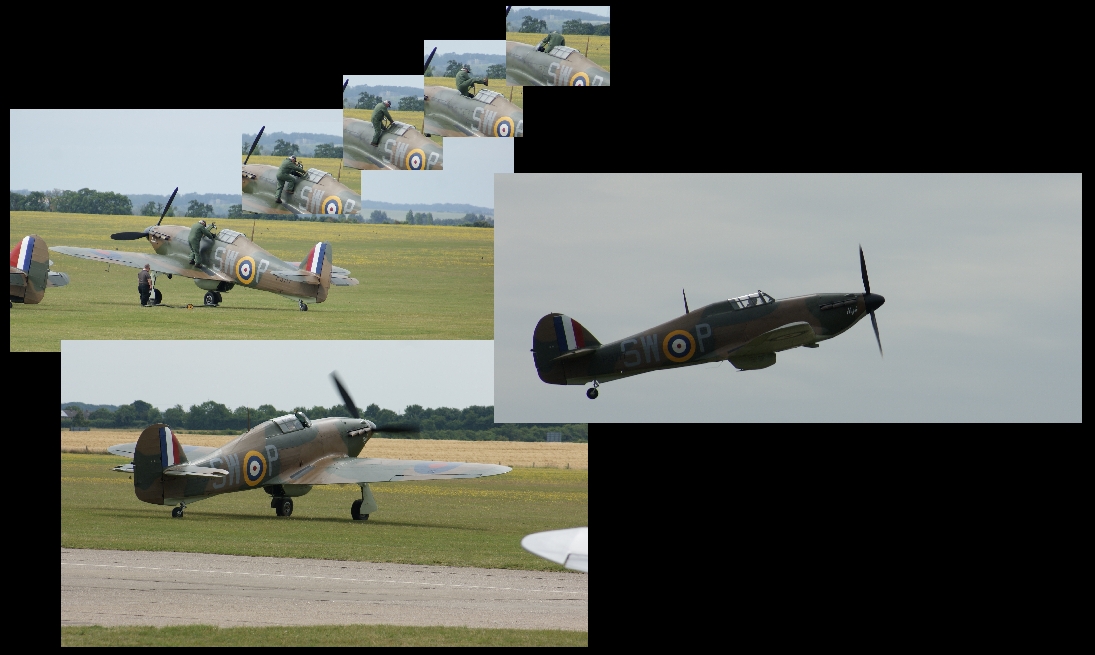
It was interesting watching how the pilot got into mkI Hurricane P3717, and then lovely to see it flying!
Spitfire ML295 looked very clean and obviously well-maintained (for flying day experiences). Several of us watching one particular flight also noticed that its engine sounded rougher than expected, leading us to wonder if a different engine variant was used in the 2-seater versions:

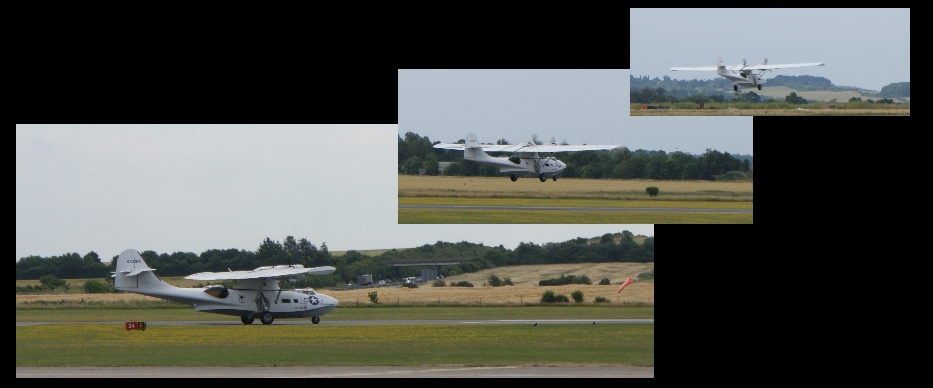
Another interesting aircraft to see flying was the PBY-5A Catalina ‘Miss Pick Up’. I’d only seen a Catalina flying once before and this was a real treat:
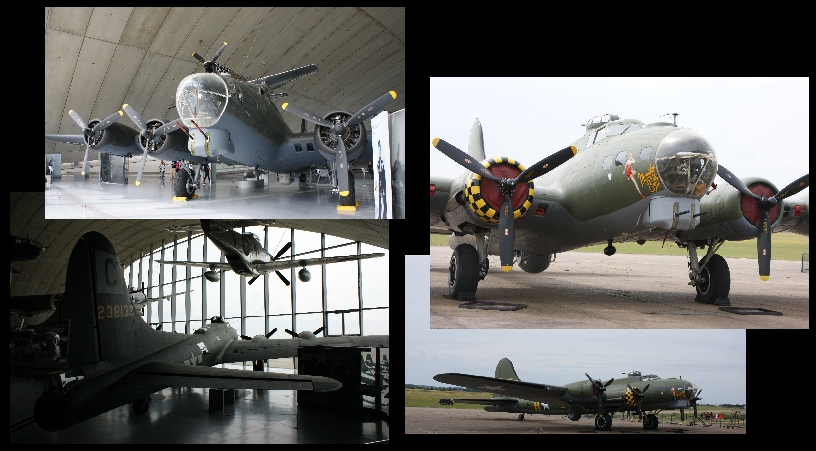
Two WW2 B-17s were on display – one the famous ‘Memphis Belle’ outside, the other inside a hangar dedicated to the USAF. These were complimented elsewhere by Lancaster KB889, although that was displayed in a somewhat unflattering location that made it hard to appreciate:

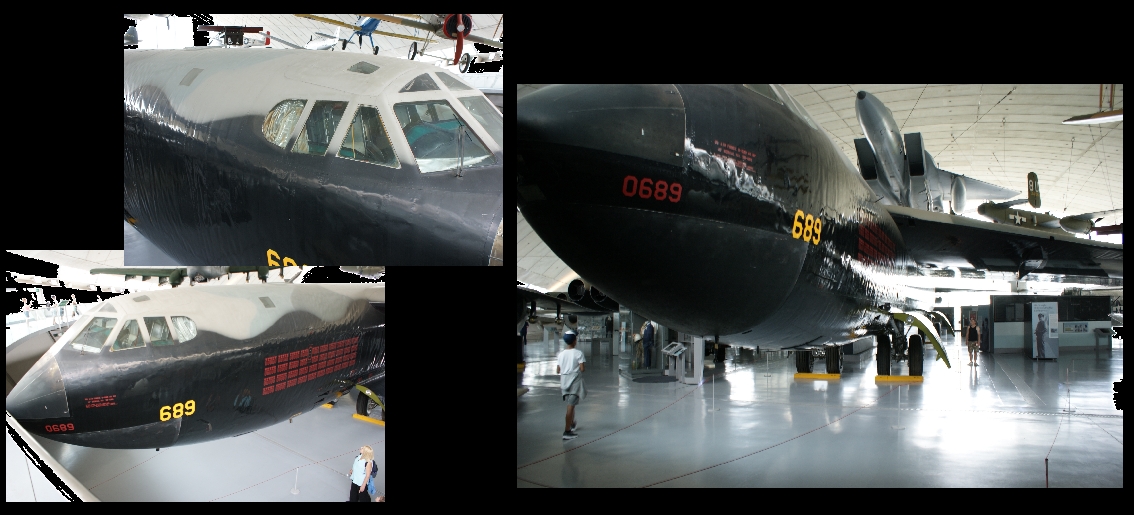
From the Cold War era, I enjoyed getting close to the B52D bomber ‘0689’, which apparently flew 200 missions during the Vietnam War. It was impossible to appreciate the size and engineering that went into this aircraft due to it being crammed into a hangar full of so many other planes – it deserves a hangar of its own in order to be properly appreciated. Of special note, it was the closest I’ve come to seeing the anti-flash curtains that were used in these bombers:
In that same USAF display I also saw this deactivated Tomahawk GLCM launcher, which had apparently been stationed at RAF Greenham Common. It was a very strange feeling being this close to such a potentially devastating weapon. I do not believe that any nation should possess nuclear weapons and my reflections on visiting Greenham Common can be found in this article.


A Vulcan bomber (XJ824) and a TSR2 prototype are also on display, but in such a poor location that I did not enjoy looking at them.
I had not expected to see Victor XH648 and it was interesting seeing the air-air refueling pods fitted to its wings. The aircraft seems very well preserved. I don’t know a lot about the history of Victor tankers, and wondered whether operational aircraft flew in camouflage paint schemes carrying bright orange pods!

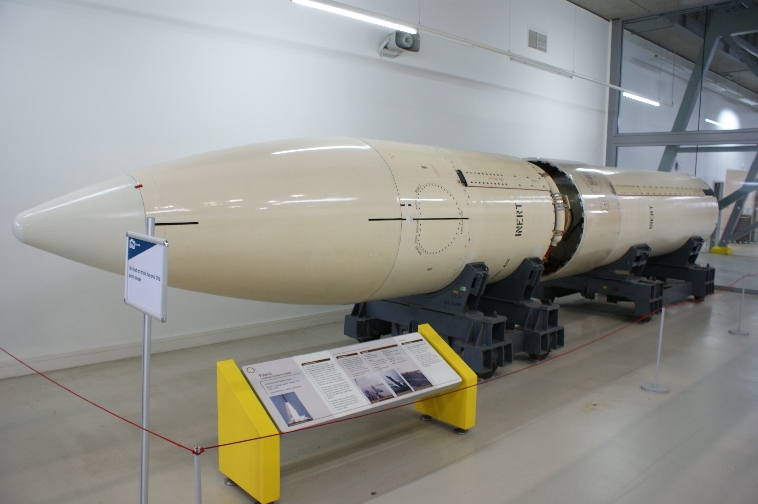
My visit finished with a look at a deactivated Polaris missile (a submarine-launched ICBM). I had not seen one of these before and was disappointed with the tiny bit of information displayed with it. However, this exhibit did give me a genuine laugh-out-loud moment when I noticed the ‘INERT’ markings on the casings – thanks for removing the warheads before putting it on display!
On the whole, my visit to IWM Duxford was enjoyable but I won’t visit again unless it is for a special ‘flying day’. Overall I found the exhibits to be too closely packed in the hangars, making it hard (or sometimes impossible) to properly appreciate the aircraft. A much better display of many of the aircraft found at Duxford can be seen at the RAF Museum at Hendon. And probably the best display of a Vulcan can be found at Solway, even though the aircraft is left outside to the elements. Here are links to my articles about those:
You can leave a comment on this post, or anything else on my website, with this form.
 Lee J. Russell, Author
You must be logged in to post a comment.