The Telegraph reported on 1st April ’26 that President Donald Trump is “… strongly considering pulling the United States out of Nato (sic) after it failed to join his war on Iran.” – the comment can be found in this article.
Bye then.
At this point, I doubt that any European nation believes that the United States would keep its commitments under the NATO treaty, so this latest statement is already an empty threat. As I said in my blog on 21st Jan ’26, “… NATO is now dead, and a new Western security treaty is needed that does not include the USA.”
The feeling is that Europe is already moving on. In other news today, it has been reported that UK Prime Minister Keir Starmer will use a summit with the EU to “… seek more cooperation with the bloc on the economy and security… as relations between the US and the UK have been increasingly strained by the PM’s refusal to be drawn further into the war with Iran.” – see this BBC News article.
NATO is a mutual defence organisation, not an extension of USA imperial ambition, and as many European leaders have already said, this USA war with Iran is not Europe’s war.
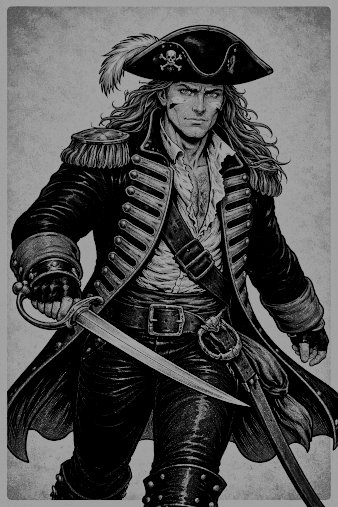
“USA pirate” image via ChatGPT
As an unreliable ally, who has already been threatening the territorial integrity of Greenland and generally denigrating Europe, its people and leaders, there is a sense that Europe will be safer without the United Statesians close by.
Europe should not take part in the USA’s war on Iran, even when it leads to shortages and inflation…
… because the greater win is that every day it drags on,
… the more damage the USA causes to itself, … the more it is shamed by the global chaos it is causing, … the more the current USA administration is itself politically damaged.
The longer this USA war with Iran goes on, perhaps enough United Statesians will decide that their current government is not acting in their best interests… and the world may then get to see change via USA ballot boxes.
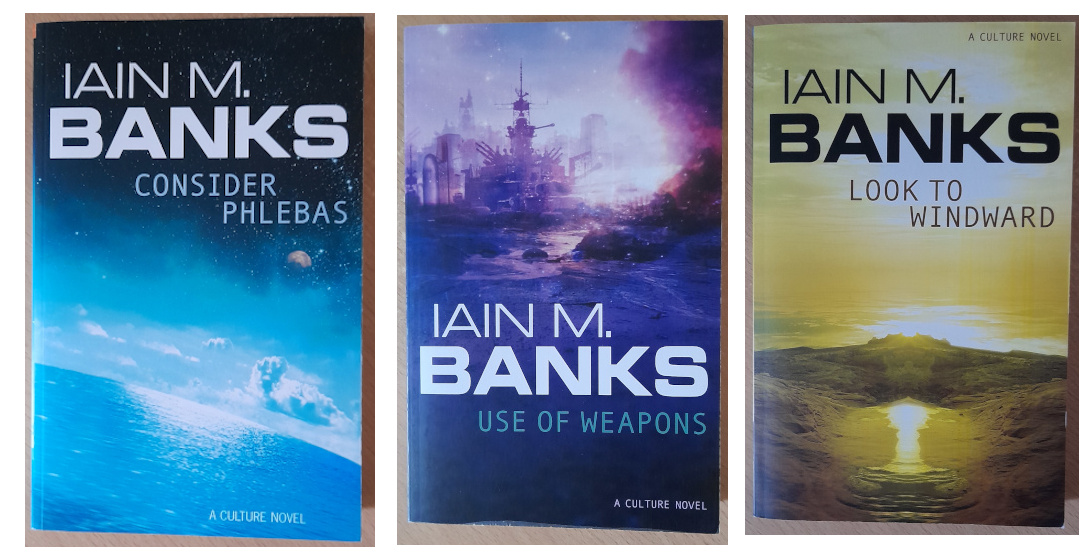
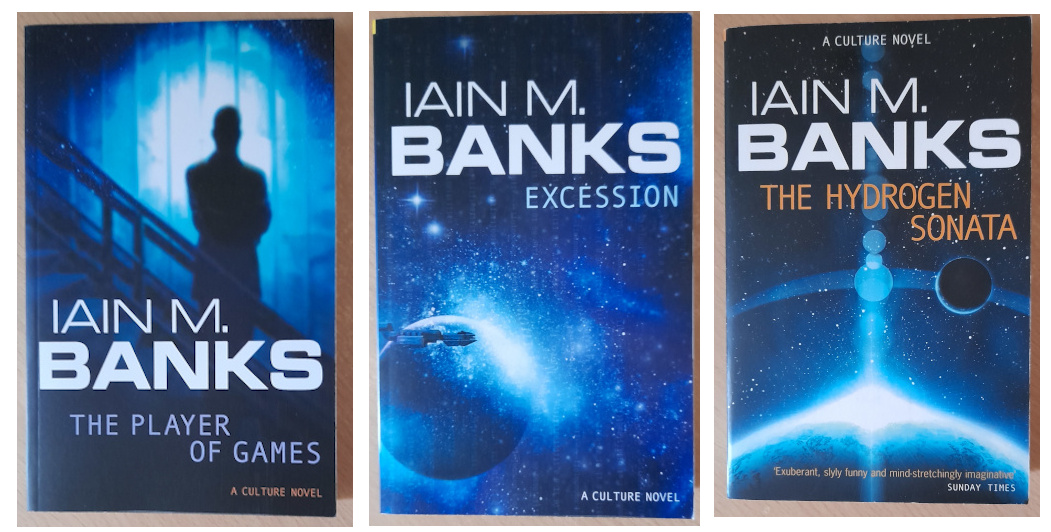
Consider Phlebas (1987) The Player of Games (1988) Use of Weapons (1990) The State of the Art (1989) Excession (1996) Inversions (1998) Look to Windward (2000) Matter (2008) Surface Detail (2010) The Hydrogen Sonata (2012)
“The Culture” is the name given by Banks to an advanced interstellar civilisation that forms the backdrop to his series of ‘Culture novels’. It is a vast, loosely organised society composed of humans, alien species, and super-intelligent artificial intelligences known as ‘Minds’.
The Culture is a post-scarcity civilisation wheretechnology has advanced to such a degree that material needs are effortlessly met. There is no money, and no need for money. There is no enforced hierarchy, and little need for formal laws. Most work is unnecessary, and individuals are free to pursue whatever interests them.
Disease is eliminated and even severe bodily damage need not be fatal. Biological individuals have modified bodies enabling them to probably ‘gland’ all the hormones and medicines they would need to extend their lifespan indefinitely. They can modify their physical forms and minds at will.
Social governance is largely handled by the Minds, whose intelligence and perspective exceeds that of biological beings. The Minds manage resources, coordinate society, and often act as moral agents.
The Culture combines internal equality with external independence. According to Vox 1, Banks described it as “… socialism within, anarchy without…” in an 1994 Usenet post.
The result is a civilisation that appears utopian.
Yet the novels rarely focus on life inside this utopia. Instead, they explore The Culture’s interactions with other civilisations, frequently less advanced or less ‘ethical’. These interactions are often handled by Culture organisations such as ‘Contact’ and ‘Special Circumstances’ (SC), and raise difficult moral questions. Should a powerful, benevolent society intervene in the development of others? Can utopia coexist with manipulation, espionage, and war? It is in these tensions that the Culture series finds its narrative energy.
Major Themes in the Culture Novels:
1. Non-Interference vs the Moral Imperative to Intervene.
Key books:Consider Phlebas, The Player of Games, Use of Weapons, Look to Windward.
One of the most persistent themes in the series is whether a powerful civilisation has the right, or indeed the obligation, to intervene in the development of others. Non-interference may result in significant social harms being incurred in the other society. But interference can result in mistakes and unintended consequences. The Culture may be “right,” but it is rarely innocent.
For example, in The Player of Games, the protagonist Gurgeh is effectively forced (by SC) to interfere in the development of the Empire of Azad by being invited to take part in their national game, also called “Azad”. Azad (the game) is brutally used to determine the development and progression of the Empire’s entire social hierarchy. The Culture’s involvement is subtle but deliberate, seeking to destabilise a system it considers unjust. The novel explores whether such intervention is benevolent or imperialistic.
Use of Weapons pushes this further, following an agent used by The Culture to influence other societies, often with the use of extreme violence. The story reveals the psychological cost of being a tool of “good intentions,” suggesting that even ethical ends can demand morally troubling means.
Meanwhile, Look to Windward reflects on the aftermath of interventions through the lens of The Culture’s involvement with the Chelgrians. It seems that, during a period of Chelgrian civil conflict, SC attempted to steer events away from mass violence and authoritarian consolidation. However, these interventions were not clean. They became entangled with Chelgrian notions of honour, betrayal, and legitimacy, meaning that even well-intentioned nudges were often interpreted as profound moral violations or acts of subversion. Look to Windward examines guilt, unintended consequences, and whether The Culture’s actions truly improved the galaxy.
2. Utopia and Its Discontents.
Key books:The Player of Games, Excession, The Hydrogen Sonata.
Banks repeatedly questions whether The Culture is an ideal society. For example, in The Player of Games, Gurgeh initially finds Culture life stagnant and purposeless. Without scarcity or struggle, meaning in life has become self-generated, and he is largely lacking purpose. He seems to only become truly alive, meeting his full potential, when facing life or death challenges while playing Azad. So is hardship necessary for fulfilment?
Excession shifts our focus to the Minds, which have become so absorbed by the appearance of a mysterious and apparently impossible object in deep space (labelled as the ‘Excession’) that they effectively split into factions. Some adopt cautious, containment-focused strategies. Other engage in more secretive, opportunistic planning, including manipulation of external civilisations like the Affront. Dangerous external actions could be taken without full consensus. Ultimately, The Culture’s architecture is resilient enough that these intense disagreements don’t become an existential threat. However, we do come to see how the Minds operate as a sub-layer of powerful intelligences with their own agendas.
In The Hydrogen Sonata, the theme expands to look at civilisations choosing to “Sublime” (leave the physical universe). Just before the Gzilt are about to complete their Sublimation, troubling questions emerge about the authenticity of their foundational religious text, called the “Book of Truth”. It is possible that their decision to ascend is based on a long-standing deception. This uncertainty triggers political tension, covert investigations, and last-minute manoeuvring across multiple factions, including agents linked to The Culture. The novel questions whether even a utopia is ultimately a temporary stage, rather than an endpoint.
Banks himself acknowledged this tension, noting that The Culture is “… my ideal utopia…”, but one that still allows for storytelling through its interactions with less perfect societies 2.
3. The Role of Artificial Intelligence.
Key books:Excession, Surface Detail, Look to Windward.
The Culture’s reliance on AI is central to its structure and one of its most provocative ideas. Artificial intelligence is not just a supporting technology. It constitutes the governing class of the Culture civilisation, embodied primarily in the vast intellects known as ‘Minds’. These Minds operate on cognitive scales far beyond biological ability, simultaneously managing logistics, strategy, ethics, and long-term planning across entire star systems. They are not merely administrators but active moral agents, capable of debate, disagreement, and even political factionalism, as seen most clearly in ‘Excession’. Coordination of The Culture depends on these super-intelligences quietly steering outcomes, often while allowing biological citizens to believe they live in a largely self-directed society.
Smaller autonomous AIs take physical form as drones. These mobile, often humanoid-scale, machines serve as companions, assistants, and frequently as SC operatives. In books such as ‘The Player of Games’ and ‘Use of Weapons’, drones act as guides, spies, negotiators, and sometimes manipulators, embodying The Culture’s willingness to delegate moral and operational authority to non-biological entities. Drones are consistently portrayed as fully conscious entities with humour, preferences, and ethical reasoning, and are often more emotionally stable than the humans they accompany.
‘Surface Detail’, meanwhile, raises ethical questions about suffering in virtual realities and simulated afterlives. The Culture opposes the existence of “hells” in virtual space, leading to conflict with societies that maintain them.
Banks suggested that such reliance on machines might be both necessary and troubling, noting that while AI may be inevitable, “… humanity can find its own salvation. It doesn’t necessarily have to rely on machines. It’ll be a bit sad if we did, if it’s our only real form of progress.” 3
4. War, Power, and Justification.
Key books:Consider Phlebas, Look to Windward.
The Culture is often peaceful, but not pacifist. It possesses overwhelming military power, and uses it when necessary. Consider Phlebas, set during the Idiran War, presents conflict from the perspective of an enemy agent. This inversion challenges readers to see The Culture not just as obvious heroes, but as one side in a complex moral struggle. Look to Windward revisits this war decades later, focusing on trauma and memory. It questions whether even a justified war can avoid moral compromise.
Banks’ work suggests that power does not eliminate ethical dilemmas, it intensifies them.
Concluding Thoughts.
The Culture series is one of the most ambitious achievements in modern science fiction. It shifts the genre’s focus from survival to responsibility. It moves SF from asking how to build a better world, to how we should behave within it.
It does not offer easy answers to questions around conflicts, intervention, power and identity. Instead, it presents a vision of the future that is both hopeful and unsettling: a civilisation that has solved most material problems, yet continues to grapple with moral ones.
Perhaps the final, concluding thought is that that progress does not eliminate ethical complexity, it simply moves it to a higher level.
Pictures of covers taken from personal copies of the books and reproduced here as fair dealing for the purposes of reviewing the books – no copyright is claimed here for those images, which remain the property of the copyright holders.
I like using “Burnham’s Celestial Handbook”, but the 1950s epoch coordinates quickly get frustrating, as we’re mostly using J2000 now.
To speed up my workflow, I created this Python script to quickly convert from 1950s to J2000 coordinates. You’re welcome to pick it up (see disclaimer directly below) from my area on ‘Pcloud’ (Europe’s secure & private cloud store, avoiding United Statesian tools):
Disclaimer: 1) No warranty is implied or given for this script. 2) You are responsible for checking the appropriateness of running the script on your machine. 3) By running the script, you accept and agree that Lee J. Russell will not be held responsible for any damage or loss of data that might occur when running it.
I said on 6/1/26 that actions the USA government takes against its own population are for United Statesians to consider, and to then react to at the ballot box as they see fit, and I do not comment on that.
However, the USA continues to take international actions that put the whole world at risk, destroying infrastructure, killing civilians and harming the global economy. Without looking at domestic USA politics, it is hard to understand why the United Statesians have now decided to go to war with Iran. Donald Trump said this was because:
Donald Trump’s government withdrew from that agreement in 2018. Iran continued to comply with it for a while, until it then started to breach some of the limits, like Uranium enrichment levels, for example.
Subsequent United Statesian diplomacy included using sanctions intended to exert “maximum pressure” on the Iranian regime from 2018, and limited attempts for talks up to 2020.
I can’t find any other reports of nuclear diplomacy from the USA to Iran since 2020.
So what had changed by Feb ‘26, resulting in massive attacks on Iran by the USA and Israel? – Nothing much, or so it seems… so we’re left with the domestic question…
Is the war with Iran simply an accelerating cycle of militant aggressiveness from the USA, intended to distract attention from domestic cases like the ‘Epstein files‘?
Is “Big Oil” a driver as well? As it may also have been with Venezuela?
The UK, under No-Idea-Kier’s leadership, managed to initially refuse to allow the USA to use its airfields in the attacks on Iran. The right decision for probably the wrong reason, followed by definitely the wrong decision to let them be used for “defensive attacks” in the future. Spain have refused any use of their bases, and the EU are (maybe reluctantly) supporting their right to do that… what a world.
Friedrich Merz in 2024 CC BY-SA-4.0 : by Steffen Prößdorf via Wikipedia,
In a most eloquent speech at the Munich Security Conference, the German Chancellor, Friedrich Merz, openly said many truths about the way that the world has changed since the start of Donald Trump’s second term of office. Excerpts from his speech have been widely reported, but this link is the only one I could find to a complete transcript.
I’m sure that representatives from the United States would have found much of his message difficult to listen to.
For me, the summary takeaways are that:
1) The global world order has changed, and we can no longer rely on rights and rules to moderate international behaviour. It has been replaced by Big Power politics, in a time when the USA has lost its claim to global leadership and is directly competing with other Big Powers like China.
2) Under Big Power politics, smaller nations will be eaten as lunch by the big players unless they stand together.
3) Europe has the economic capability to be at least 10 times stronger than it is now. With trust in the USA lost, Germany and its EU partners are now on an irrevocable path to strengthening, economically, militarily and politically.
4) The EU recognises its own mutual defence pact under Article 42, and is therefore dubious that the USA will respect that provision of the NATO alliance. European nations are strengthening their own military forces, including the possibility of leveraging the French nuclear deterrent.
5) Alliance with the USA is no longer enough to ensure stability and security, and the EU is now building strong alliances around the globe.
So… the USA is an unreliable ally… … and Europe is rearming, strengthening and diversifying away from the USA.
To me, these are sensible actions in light of the Big Power politics that are now being played, and it is reassuring to see national leaders being so clear-eyed about it.
The next best change would be for the EU to facilitate a respectful return of the UK, so we can stand as a united Europe against the dystopian regimes that are growing around us.
Here are some of Friedrich Merz comments, in his own words:
On the Collapse of International Order: “… the international order based on rights and rules is currently being destroyed… This order, as flawed as it has been even in its heyday, no longer exists.”
“… we’ve entered an era that, once again, is marked by power and big power politics very openly.”
“… The United States’ claim to leadership has been challenged and possibly lost.”
On The New Rules of Big Power Politics: “… big power politics turns away from a world in which increasing connectivity translates into the rule of law and peaceful relations between states. Big power politics has its own rules. It is fast, harsh, and often unpredictable.
“It fears own dependencies, but uses dependencies of others, and, if necessary, even exploits them. At the heart of this stands a battle for spheres of influence, dependencies, and deference. Natural resources, technologies, and supply chains are becoming bargaining tools in the zero-sum game of the major powers. This is a dangerous game, at first for the small players, but later on probably also for the big players. And our friends in the United States are adapting to this at a fast pace.”
On Closing the Gap Between Ambition and Capability: “… Russia’s GDP is currently about 2 trillion euros. That of the European Union is almost 10 times as high. But still, Europe is not 10 times as strong as Russia today. Our military, political, and technological potential is huge. But we haven’t tapped it to the necessary extent for a very long time.”
On The Need for Mental Transformation: “… So the most important thing is to turn the switch in our minds now. We have understood that in the era of big powers, our freedom is no longer a given. It is at stake. We will need to show firmness and determination to assert this freedom.”
On the First Pillar: Military and Economic Strengthening: “… Our highest priority for us is to strengthen Europe within NATO.”
“… We have launched big conventional procurement projects in the field of air defence, deep precision strikes, and satellite technology. We are reviving our defence industry. New factories are opening. New jobs are being created. New technologies are emerging.”
“… We are strengthening NATO’s eastern flank.”
“… We will make the Bundeswehr the strongest conventional army in Europe as soon as we can, an army that stands firm when it has to.”
“… We are forging resilient supply chains and reducing unilateral dependencies on raw materials, key technologies and key products.”
On the Second Pillar: Strengthening Europe: “… Europe needs to become a real player in global politics with its own security policy strategy.”
“… Article 42 of the Treaty on European Union, we commit ourselves to provide mutual assistance in case of an armed attack in Europe.”
“… I have started first talks with the French President Emmanuel Macron about European nuclear deterrence.”
On Forging a New Transatlantic Partnership: “… A divide has opened up between Europe and the United States…”
“… The battle of cultures of MAGA in the US is not ours.”
“… Now, the transatlantic partnership is no longer something we can just take for granted.”
“… Let me paraphrase this for our American friends in English. For three generations, trust amongst allies, partners and friends has made NATO the strongest alliance of all times. Europe knows deeply how precious this is. In the era of great power rivalry, even the United States will not be powerful enough to go it alone.”
On Europe’s Self-Sustained Pillar: “… A true ally takes his obligations seriously. No one forced us into this excessive dependency on the United States in which we have found ourselves recently. This dependence was self-inflicted, but we now cast off this state as soon as we can. And we are doing this not by writing off NATO. We are doing it by establishing a strong, self-sustained European pillar within the alliance.”
On Building Global Partnerships: “… As important as European integration and the transatlantic partnership remain for us, they will no longer be sufficient to preserve our freedom.”
“… So we reach out to new partners with whom we share not all but many objectives. This avoids dependencies and risks, and at the same time, it opens up new opportunities for both sides.”
In my local Science discussion group, the current topic of debate is “who do you nominate to be the greatest influence on science?” – This is a very hard question to answer!
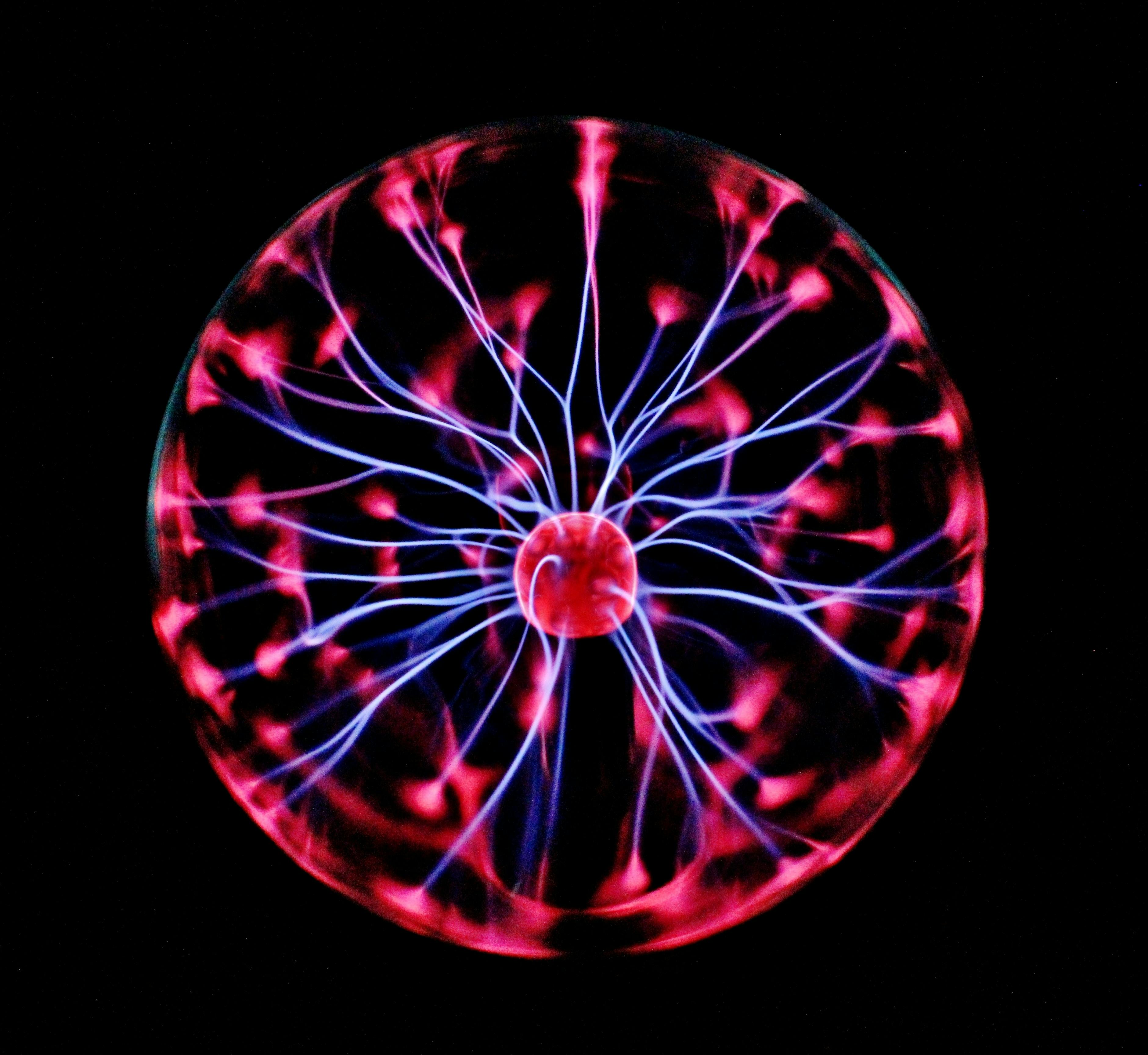
plasma ball by Pixabay, Creative Commons Zero (CC0) license via Pexels.com
Science generally progresses through the collaborative output of thousands of minds.
Derek J. de Solla Price estimated that 80-90% of all scientists who have ever lived are alive today. And UNESCO estimated that there are approx 8.1 – 8.8 million scientists worldwide today.
Therefore, there have been approx 9 – 11 million scientists in human history.
So how do we choose the 1 who had the greatest influence on science?
I believe we need to draw an initial distinction between the early philosophical approaches to understanding how the world works , and the Scientific Revolution that began in the 16th century.
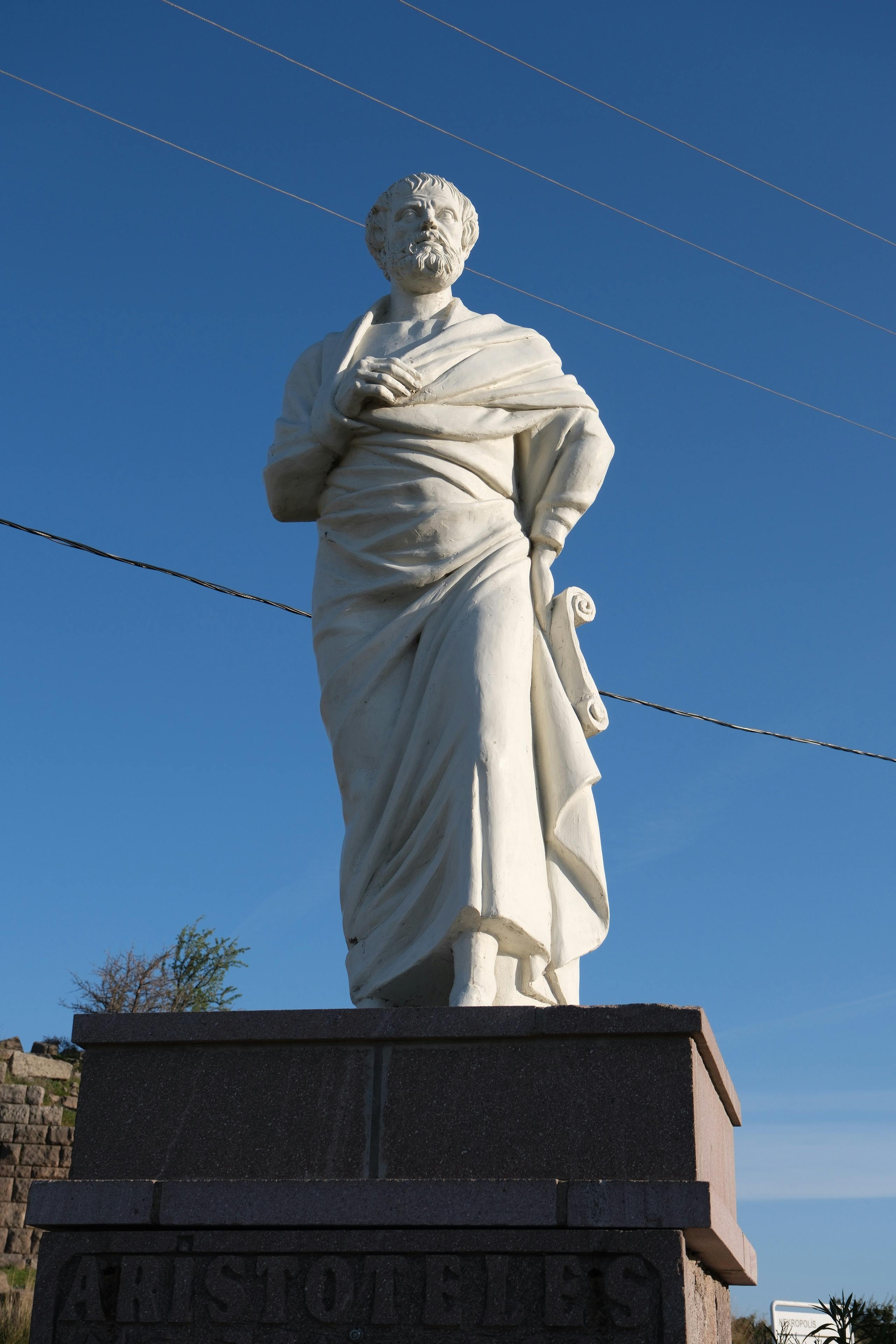
Statue of Aristotle in Behram, Çanakkale, free to use from Bilge Karagülle via Pexels.com
In terms of affecting the course of science for the greatest period of time, the award goes to Aristotle (born 384 BC in Greece) – his writings on biology, logic, physics, astronomy, and classification of living things influenced scientific thinking all the way up to the Renaissance.
I am not a fan of Aristotle.
Due in large part to the need of the Catholic Church to avoid shifts in thinking that could undermine their power, his teachings also slowed the development of scientific thought for about 2,000 years.
Science was done. Aristotle had done it. No more was needed… or so went the dogma.
That dam was burst by many pioneers with the onset of the Scientific Revolution.
Galileo Galilei – public domain via wikipedia
Perhaps the most influential figure for that change was Galileo Galilei, although he was building on thoughts and mathematics developed by many others. We could say that Galileo had the most impact, opening the door widely on an approach to science that emphasised an experimental and mathematical study of nature, using precise measurements and empirical validation.
The Church worked hard to block Galileo’s thinking from contaminating the prevailing dogma, but the cork was out of the bottle (so to speak).
He was condemned for publishing his “Dialogue Concerning the Two Chief World Systems” in 1632…
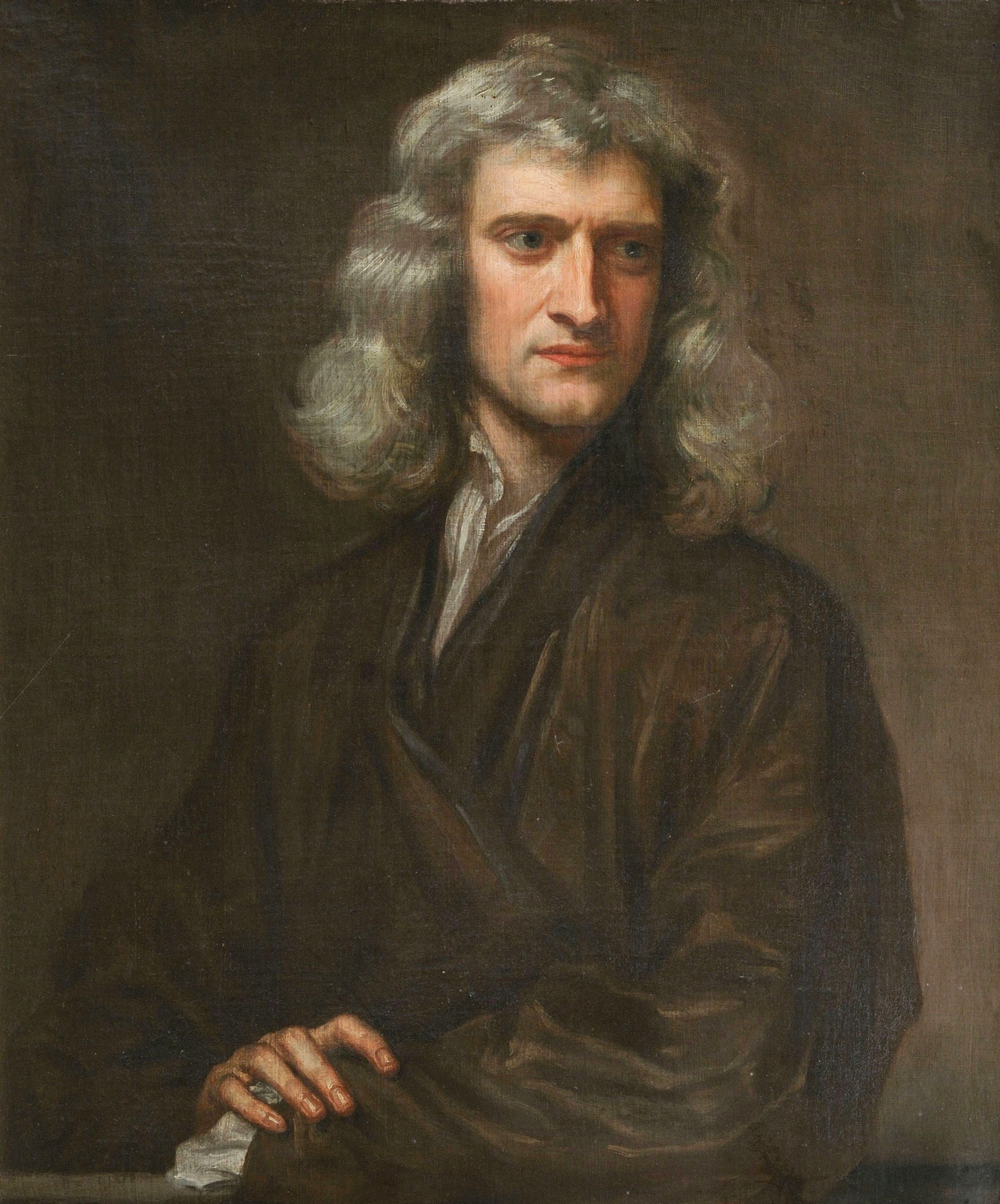
Portrait of Sir Isaac Newton, public domain via wikipedia
… but just 155 years later, Newton changed the World with his Philosophiæ Naturalis Principia Mathematica (1687).
So were either Galileo or Newton the most influential person in science?
In my opinion – No.
To a very large extent, their achievements would not have been possible without building on the foundations of 1 trailblazing, Renaissance scientist … Francis Bacon.
Francis Bacon was one of the first to lay out the groundwork needed for the “scientific method”, taking a systematic approach to scientific inquiry based on observation, experimentation, and inductive reasoning.
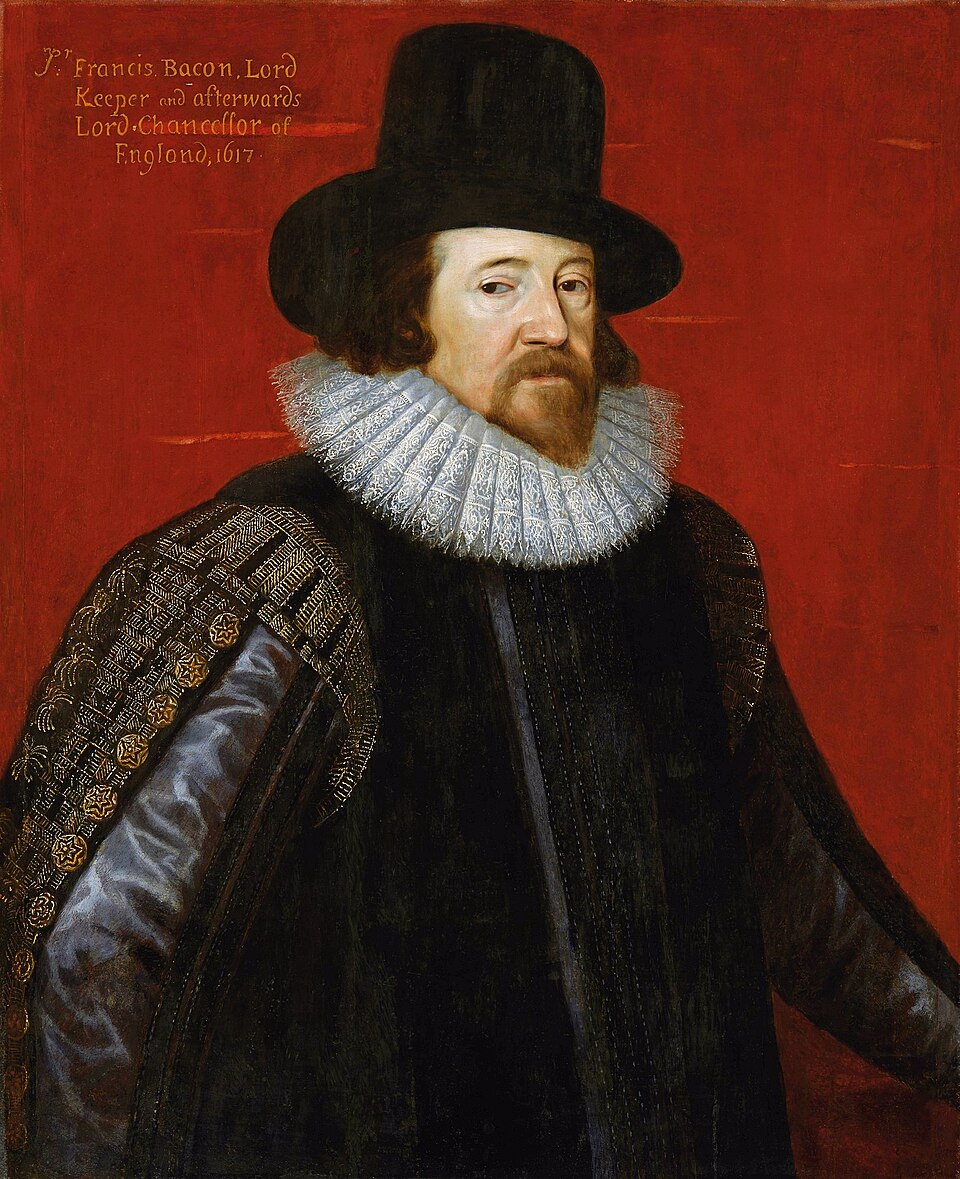
portrait of Sir Francis Bacon, public domain via Wikipedia
In his Novum Organum (1620), he argued that knowledge should come from inductive reasoning based on empirical evidence, not mere deduction from ancient authority, dogma or speculation – this was a very radical shift at the time.
Knighted by James I in 1603, Bacon’s work shifted the focus of natural philosophy toward repeatable experiments, data collection, and evidence−based conclusions. The natural sciences today all revolve around observation, experimentation, hypothesis testing, and the revision of theories based on evidence.
On that basis, I believe that Sir Francis Bacon had the greatest influence on how science is conducted. And everything else has flowed from that.
I noted reports that both the USA team, and the US Vice President, J. D. Vance, were booed by the audience at the opening ceremony for the 2026 Winter Olympics in Milan. Apparently this has not been reported openly across USA media.
Resentment had been building against the USA for reportedly sending ICE agents to Milan, which just layered on top of the barrage of anti-European sentiment from the US Administration in recent times, and of course their belligerency towards Greenland. Despite the Olympics committee asking for everyone to be nice to each other (essentially), I believe the crowd is to be commended for making their true feelings known. Free democracy thrives in Europe, and that includes exercising Free Speech.
I was updating the introduction to one of the books in my trilogy of Lissa Blackwood S.I.G. action-thrillers yesterday. A big part of me was shocked by some of the words I was typing:
“… As I write this at the start of 2026, Russia and the USA are seemingly accommodating each other’s strategically incompatible actions, as long as they are limited in scope to newly emerging ‘spheres of influence’.
Such toleration, verging on tacit endorsement of imperial-style expansion, is burning the trust underlying former alliances in their wake, and both superpowers are increasingly being viewed as Rogue States by other nations.”
Previously, no part of me could have ever imagined the USA becoming a rogue state.
My heart has been lifted by one bright light shining against the Law of the Jungle that these rogue state superpowers are creating.
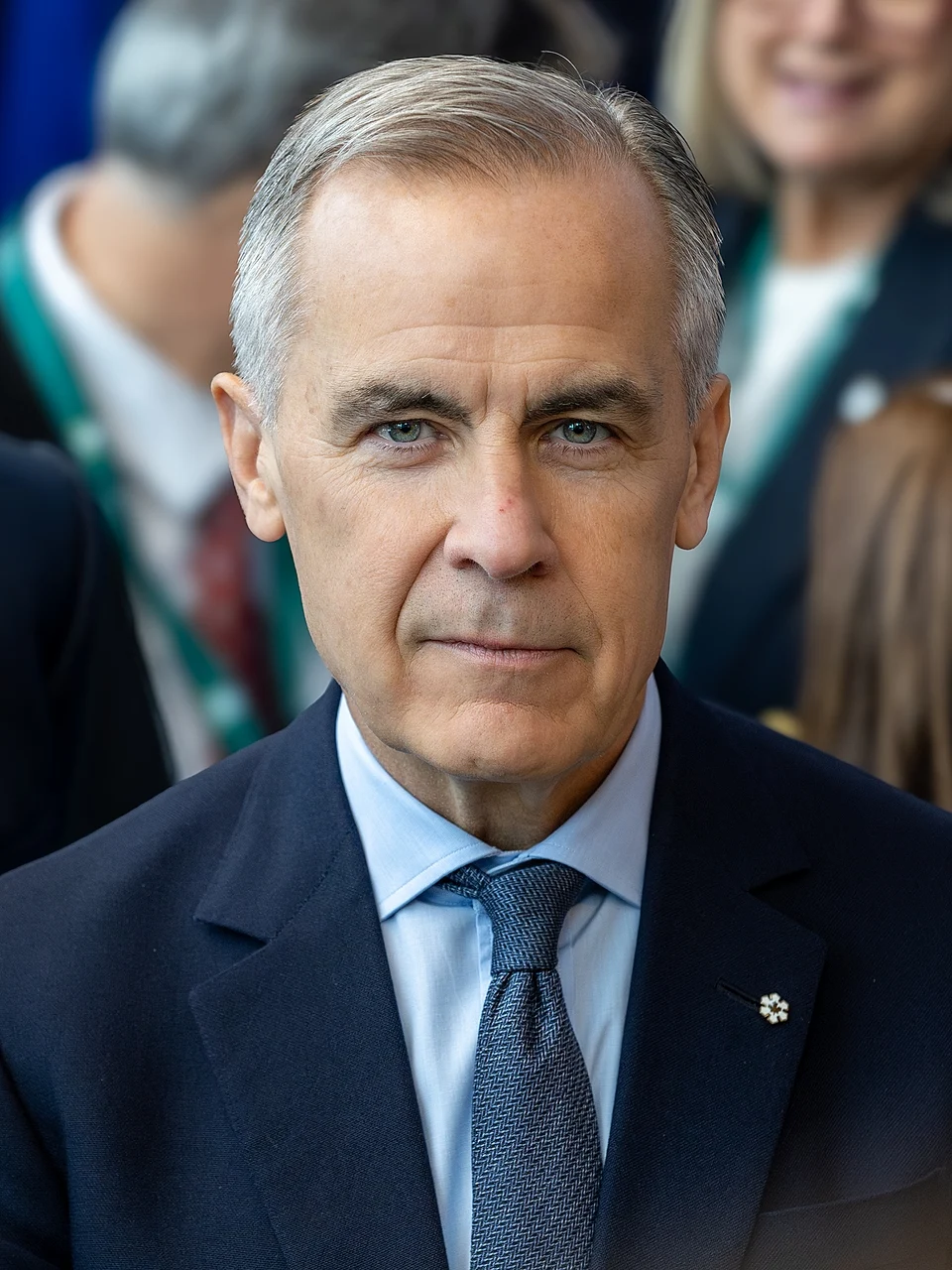
Speaking for Canada, and the rest of the world beyond what he called the Great Powers, Mark Carney showed immense leadership at the World Economic Forum to state clearly how the World now is.
I really wish that the UK had Mark Carney as its PM. I’m not really joking as I say that.
With the internet now awash with lies on the US tech-bros‘ platforms and polarised reporting in US media channels, here are some of Mr Carney’s words, taken straight from the WEF transcript of his speech.
“… recently, great powers have begun using economic integration as weapons, tariffs as leverage, financial infrastructure as coercion, supply chains as vulnerabilities to be exploited… You cannot live within the lie of mutual benefit through integration, when integration becomes the source of your subordination…”
” … the middle powers must act together, because if we’re not at the table, we’re on the menu…”
I agree. Excluding the superpower Rogue States, I believe that the rest of us need to heed Mr Carney’s words and form new international partnerships that respect the law, and which work around superpower belligerency. This includes accepting that NATO is now dead, and a new Western security treaty is needed that does not include the USA.
I also can’t believe that I just wrote “… NATO is now dead…” Oh my.
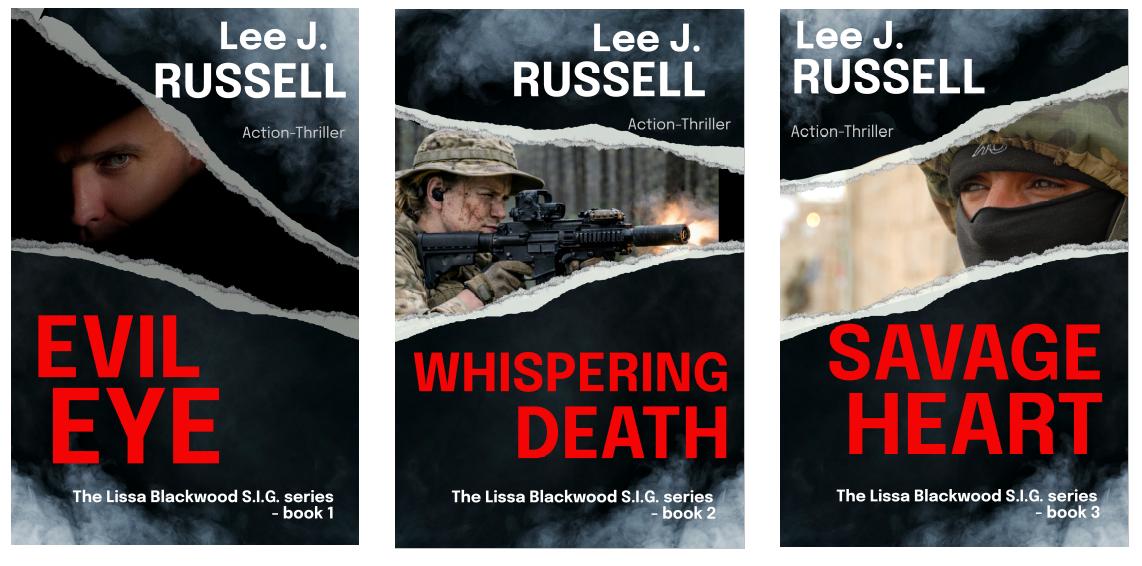
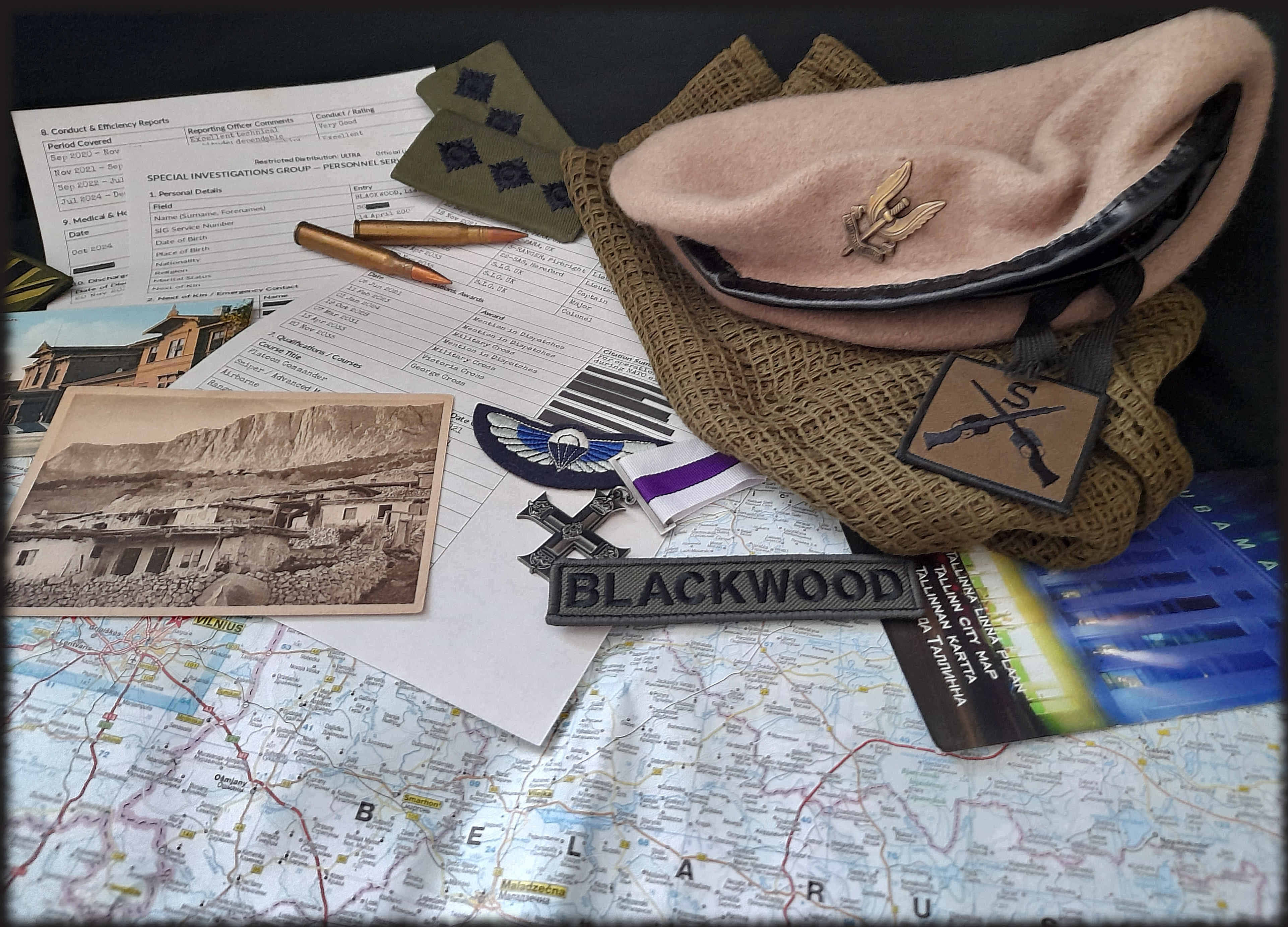
I’m pleased and proud to share that I have now finished writing my Lissa Blackwood S.I.G. trilogy of action-thriller novels! She is a complex and exciting character to write for, and I have thoroughly enjoyed going on the journey with her.
The 3 completed tales are:
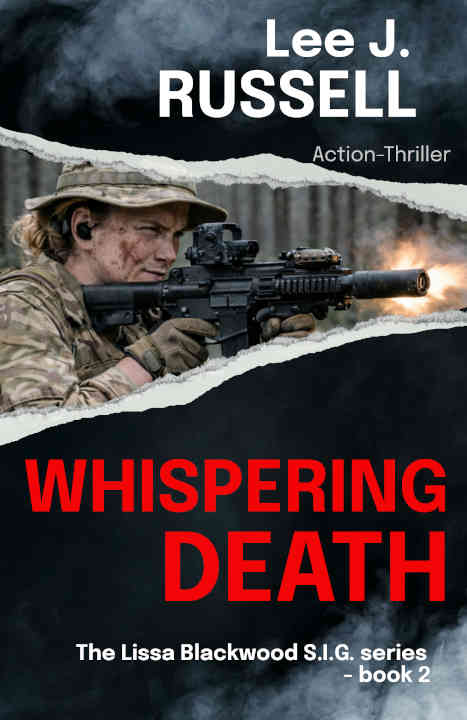
Evil Eye – The Lissa Blackwood S.I.G. series, book 1 Whispering Death – The Lissa Blackwood S.I.G. series, book 2 Savage Heart – The Lissa Blackwood S.I.G. series, book 3
I started writing these adventures in 2017 and it has taken 8 years to complete her cycle. I’m now moving on to the ‘admin’ of formatting the books, preparing to share eBook copies via BookFunnel, and creating paperback copies for my private use. It will take a few months to complete these last steps, and I’ll then announce when the books are ready to pick up via my website.
In the meantime, here are the 3 covers – I hope they excite you!




 Lee J. Russell, Author
You must be logged in to post a comment.