In my local Science discussion group, the current topic of debate is “who do you nominate to be the greatest influence on science?” – This is a very hard question to answer!
Science generally progresses through the collaborative output of thousands of minds.
Derek J. de Solla Price estimated that 80-90% of all scientists who have ever lived are alive today. And UNESCO estimated that there are approx 8.1 – 8.8 million scientists worldwide today.
Therefore, there have been approx 9 – 11 million scientists in human history.
So how do we choose the 1 who had the greatest influence on science?
I believe we need to draw an initial distinction between the early philosophical approaches to understanding how the world works , and the Scientific Revolution that began in the 16th century.
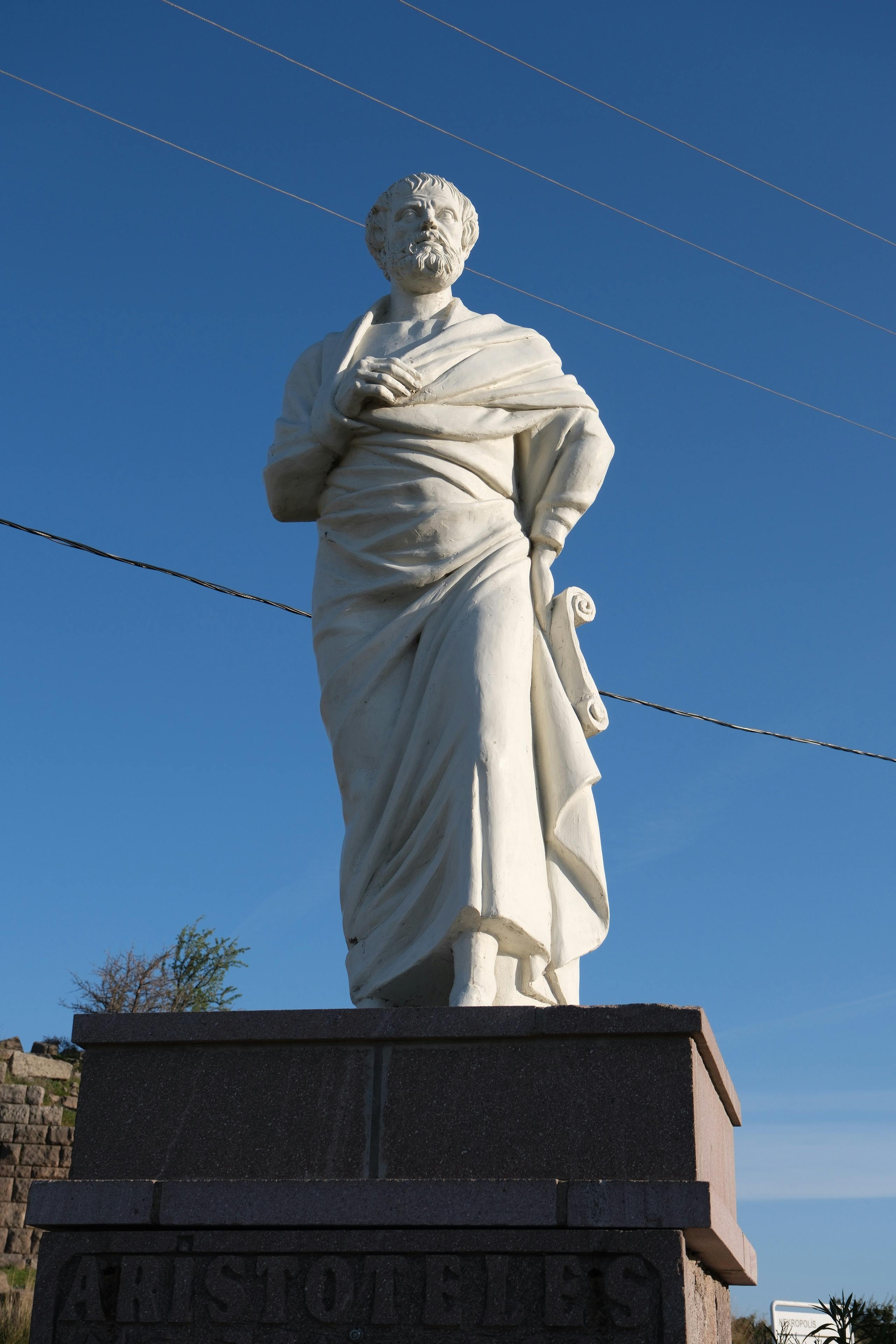
In terms of affecting the course of science for the greatest period of time, the award goes to Aristotle (born 384 BC in Greece) – his writings on biology, logic, physics, astronomy, and classification of living things influenced scientific thinking all the way up to the Renaissance.
I am not a fan of Aristotle.
Due in large part to the need of the Catholic Church to avoid shifts in thinking that could undermine their power, his teachings also slowed the development of scientific thought for about 2,000 years.
Science was done.
Aristotle had done it.
No more was needed… or so went the dogma.
That dam was burst by many pioneers with the onset of the Scientific Revolution.
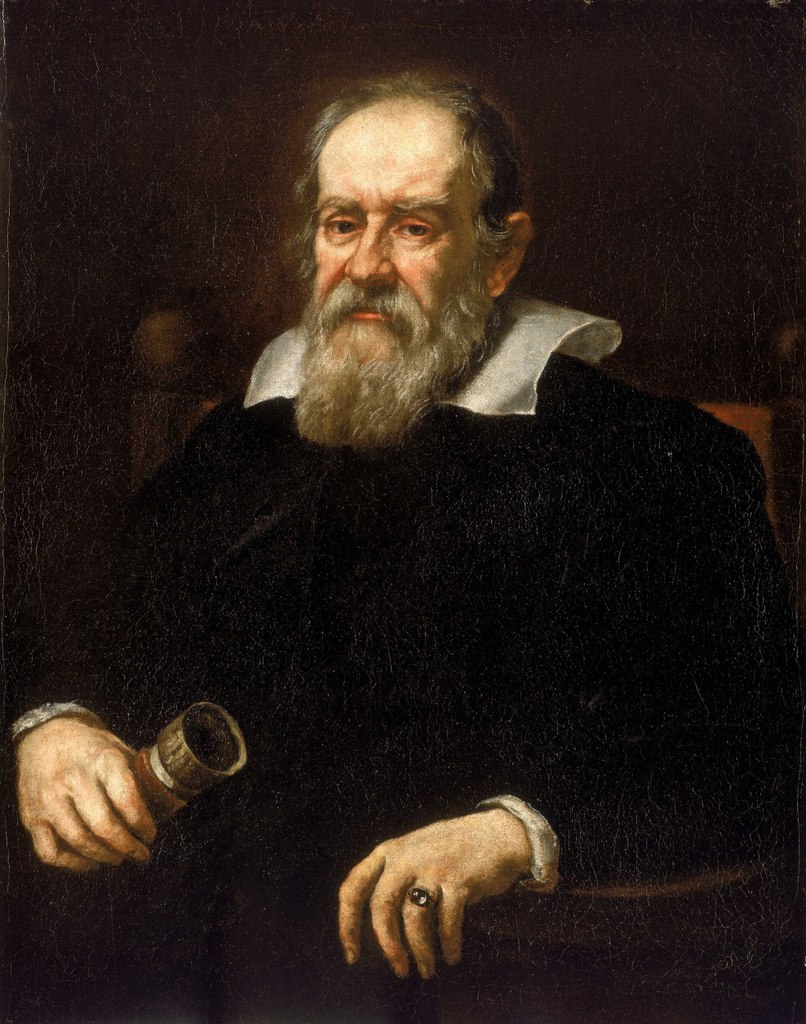
Perhaps the most influential figure for that change was Galileo Galilei, although he was building on thoughts and mathematics developed by many others. We could say that Galileo had the most impact, opening the door widely on an approach to science that emphasised an experimental and mathematical study of nature, using precise measurements and empirical validation.
The Church worked hard to block Galileo’s thinking from contaminating the prevailing dogma, but the cork was out of the bottle (so to speak).
He was condemned for publishing his “Dialogue Concerning the Two Chief World Systems” in 1632…
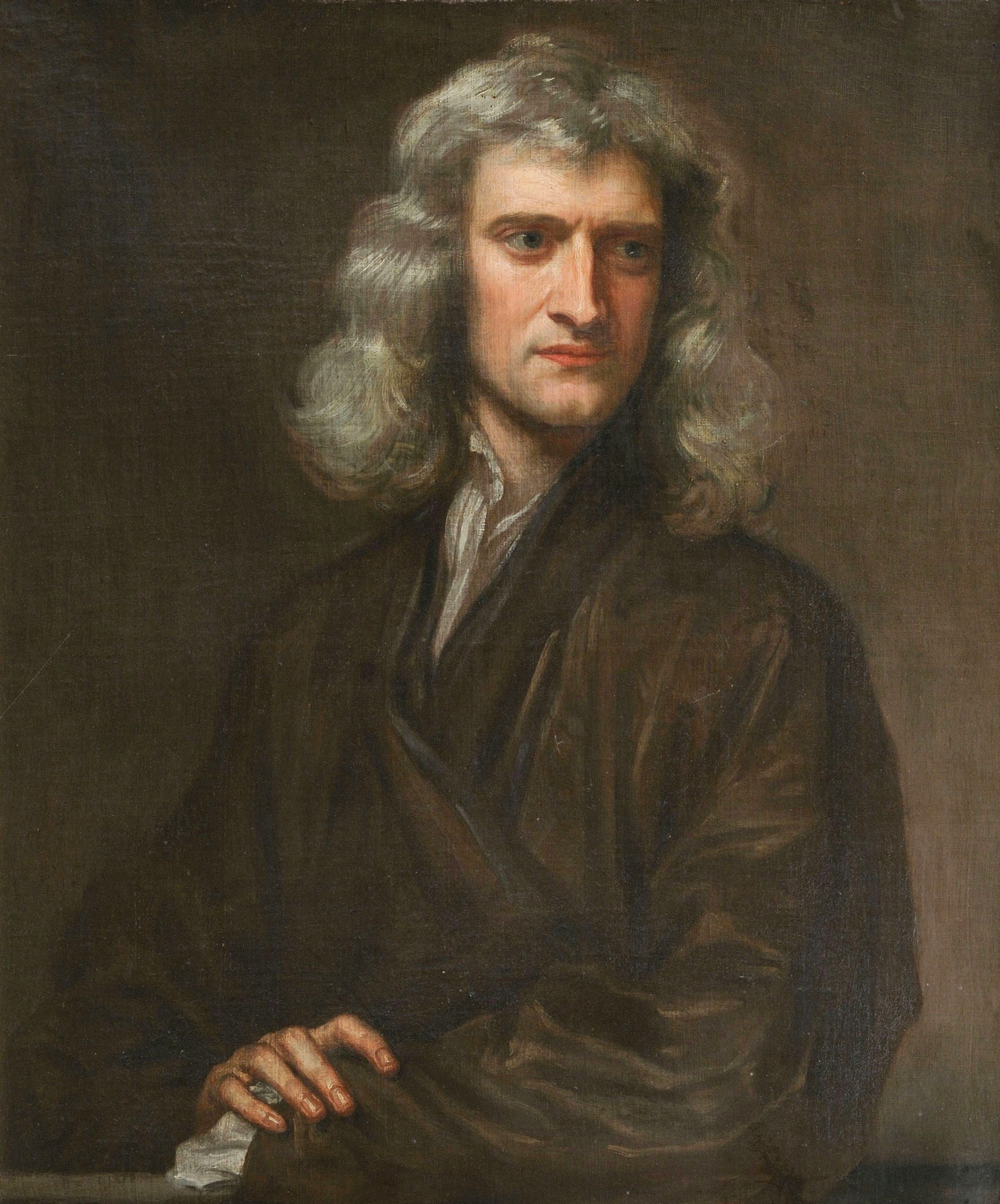
… but just 155 years later, Newton changed the World with his Philosophiæ Naturalis Principia Mathematica (1687).
So were either Galileo or Newton the most influential person in science?
In my opinion – No.
To a very large extent, their achievements would not have been possible without building on the foundations of 1 trailblazing, Renaissance scientist … Francis Bacon.
Francis Bacon was one of the first to lay out the groundwork needed for the “scientific method”, taking a systematic approach to scientific inquiry based on observation, experimentation, and inductive reasoning.
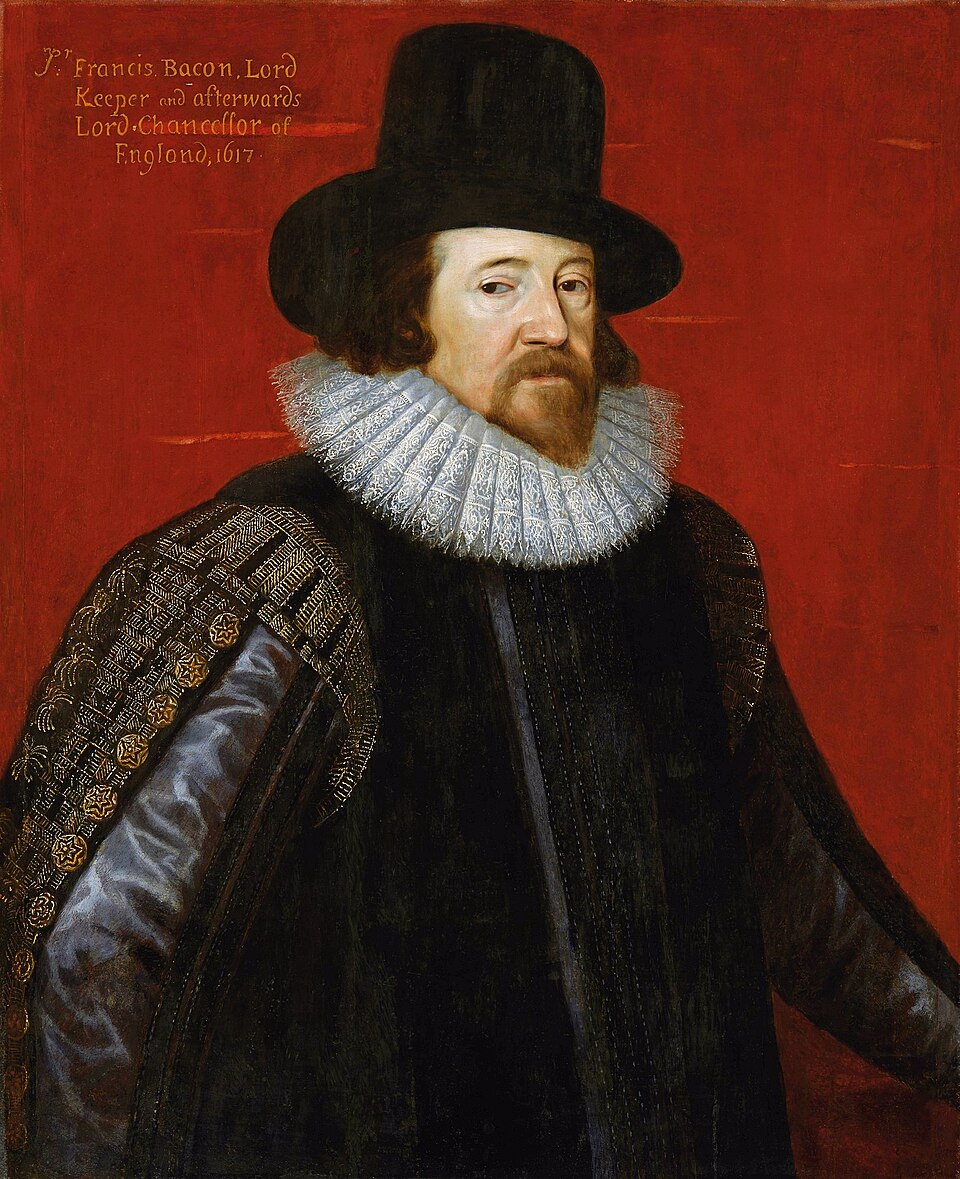
In his Novum Organum (1620), he argued that knowledge should come from inductive reasoning based on empirical evidence, not mere deduction from ancient authority, dogma or speculation – this was a very radical shift at the time.
Knighted by James I in 1603, Bacon’s work shifted the focus of natural philosophy toward repeatable experiments, data collection, and evidence−based conclusions. The natural sciences today all revolve around observation, experimentation, hypothesis testing, and the revision of theories based on evidence.
On that basis, I believe that Sir Francis Bacon had the greatest influence on how science is conducted. And everything else has flowed from that.
 Lee J. Russell, Author